

Wide range of applications for Roots blowers in the biomedical field
Roots blower is a device used to transport gases and is widely used in industry and commerce. In recent years, with the development of science and technology, its application in the field of biomedicine has gradually emerged. In this paper, we will discuss the specific applications of Roots blowers in the field of biomedicine and analyze their advantages and possible problems.
Roots BlowerThe working principle and characteristics of the
Application in cell culture process: Roots blowers can provide constant pressure and flow of air or oxygen for cell culture to ensure proper cell growth.
Application in fermentation process: Roots blowers can be used to control the oxygen supply in the fermentation process and improve the fermentation efficiency.
Application in biopharmaceutical production line: Roots blowers are used to convey various chemicals and medicines to ensure the smooth running of the production process.
Application in laboratory ventilation system: Roots blower can provide stable airflow for discharging harmful gases and protecting the safety of laboratory personnel.
Application in Biological Exhaust Gas Treatment Systems: Roots blowers provide continuous pressure and flow to biological exhaust gas treatment systems, helping to purify and discharge the exhaust gases.
Advantages of using Roots Blowers
Analyze the benefits brought by the use of Roots blowers, such as high efficiency and energy saving, simple operation and easy maintenance. At the same time, it is also necessary to raise some potential problems, such as equipment noise, may lead to material pollution.
When a Roots blower is utilized in a cell culture process, it is able to provide air or oxygen at a precise pressure and flow rate, thus ensuring proper cell growth. In addition, by utilizing the Roots Blower's ability to regulate pressure and flow, it is possible to perform more delicate operations, such as modulating the rate of cell division, for special experimental purposes.
In the fermentation process, Roots blowers can be used to control the supply of oxygen, which in turn affects the rate of metabolism and product generation of microorganisms. In addition, the fermentation process can be optimized and fermentation efficiency can be improved through precise adjustment of the blower's operating parameters.
In the biopharmaceutical production line, Roots blowers are mainly used for conveying all kinds of chemicals and medicines. They are characterized by high precision and low failure rate, which can ensure the continuity of the production process and reduce production costs.
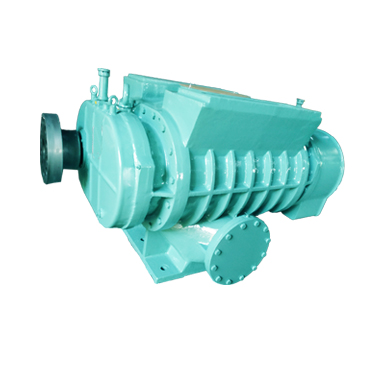
Ventilation systems used in laboratories often require a steady and controlled airflow to remove harmful gases and keep laboratory personnel safe. Roots blowers provide this stable airflow and can be flexibly adjusted to meet experimental requirements.
The Roots blower is mainly used as a power source to drive the gas flow in a biological exhaust gas treatment system. By adjusting the working parameters of the blower, it can ensure that the system operates effectively and meets the exhaust gas emission standards.
Although Roots blowers have many advantages, there are still some potential problems to be aware of when using them. For example, due to the high speed rotation of the blades inside the blower, a large noise may be generated; in addition, if not handled properly, wear and tear of the blower's internal parts may occur, leading to problems such as material contamination.
In general, Roots blowers are increasingly used in the biomedical field, especially in cell culture, fermentation processes, pharmaceutical production lines, laboratory ventilation and exhaust gas treatment. With the advancement of technology, Roots blowers will also play a role in more aspects in the future, bringing greater convenience and benefits to the biomedical industry.


